

Basketball is more than a pastime on Long Island — it’s a tradition that runs through driveways, school gyms, and rec leagues in nearly every town from Nassau to Suffolk County. If you’ve been searching for real long island basketball training that goes beyond a weekly pickup game, you’re not alone. Parents and players alike are looking for structured coaching that builds fundamentals first and game-ready skills second. Before you commit to any program, it helps to understand what separates casual drills from a genuine player-development path — and that’s exactly where a dedicated Start Here guide can point you in the right direction.
Why Long Island Basketball Training Matters
Long Island has quietly become one of the more basketball-rich regions in the New York metro area. The area is close enough to feel the pull of the Brooklyn Nets’ G-League affiliate, the Long Island Nets, and that proximity to professional-level basketball has raised expectations for youth development across the Island. Kids growing up here don’t just want to play — they want to compete at AAU tournaments, high school varsity levels, and eventually college. That competitive environment is exactly why structured long island basketball training has become so important. Learning the right shooting mechanics, footwork, and decision-making early prevents bad habits from forming later, when they’re much harder to break. You can read more about how a structured curriculum builds these fundamentals over time on this dedicated basketball training Long Island resource.
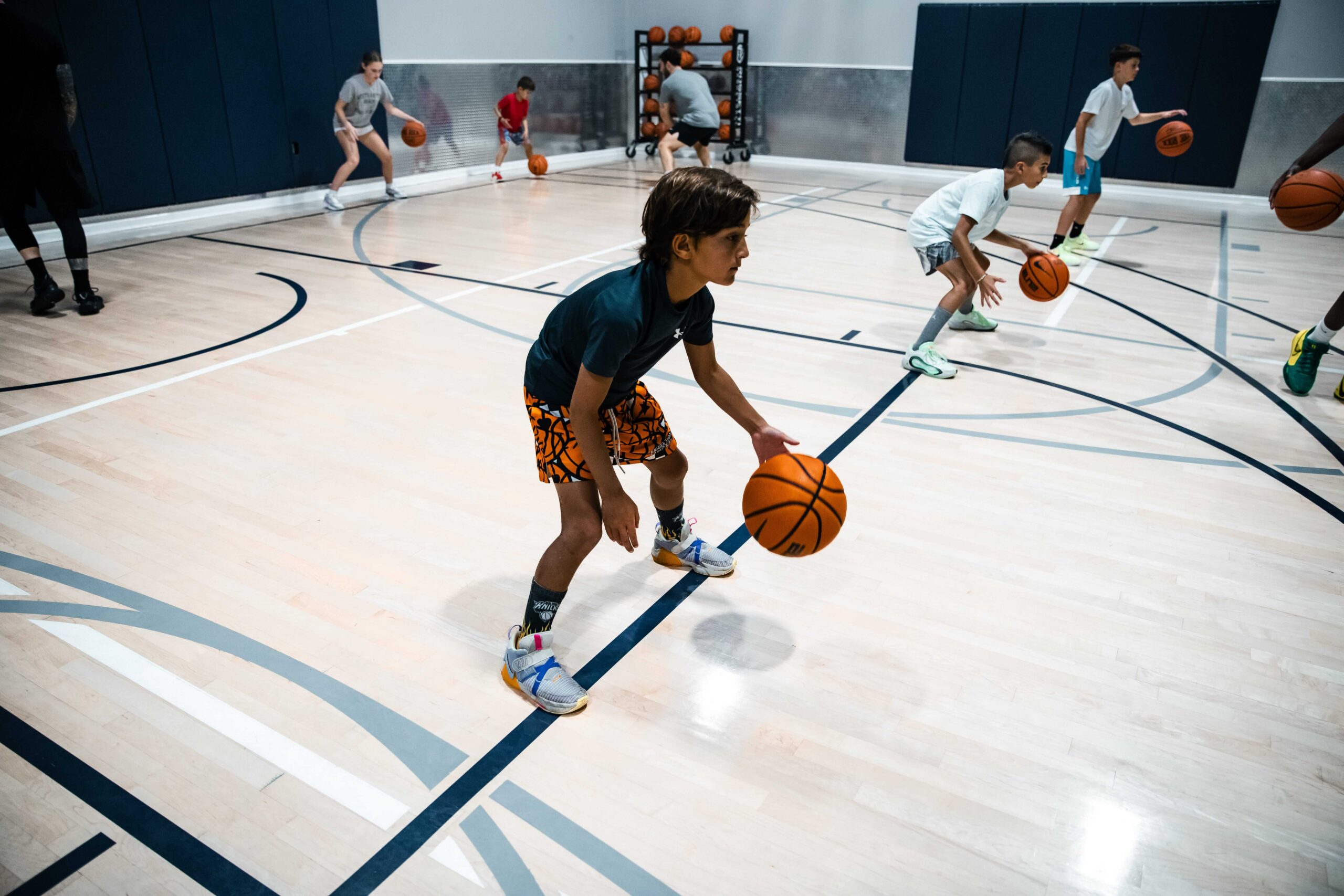
What to Expect from Long Island Basketball Training at Rossetti
A quality long island basketball training program should never feel like a one-size-fits-all class. Here’s what that typically looks like in practice:
- Small-group and private sessions organized by age and skill level, not just by who signed up first
- A facility-based setting (rather than an open gym) so coaches can control pace, repetitions, and feedback
- Dedicated tracks for younger athletes, like K-2 development groups, alongside advanced programs for competitive players
- Access to a scheduling app that lets families book, reschedule, and track attendance without phone tag
- A mix of skill isolation (ball-handling, shooting form, footwork) and live-play scenarios so lessons transfer to real games
- Flexible options — from pay-per-class to monthly memberships — so families aren’t locked into rigid, long-term contracts
If any of these boxes go unchecked in a program you’re considering, it’s worth asking why. You can compare what a well-rounded curriculum should include on this best long island basketball training page, which breaks down what separates strong programs from generic ones.
Group Training vs. Private Long Island Basketball Training
One of the biggest decisions families face is choosing between group sessions and one-on-one coaching. Group long island basketball training builds competitive instincts — players learn to read defenders, communicate, and adjust under pressure because they’re working alongside teammates of similar ability. Private training, on the other hand, is about precision. A coach can isolate a single flaw, like a shooting elbow that flares out or a hesitant first step, and correct it in real time without the distraction of a full group. Most experienced trainers recommend a blend of both: private sessions to fix mechanics, and group sessions to apply those mechanics under game-like pressure. Whichever path fits your player, the easiest way to lock in a spot is to Book Now rather than waiting for a session to fill up, since capacity at most Long Island facilities is limited by design to keep coach-to-player ratios low.

Building a Basketball Culture Beyond the Gym
Skill development is only half the equation. The players who improve fastest are usually the ones immersed in a basketball culture — one that includes team play, seasonal competition, and mentorship from older athletes who’ve walked the same path. That’s the philosophy behind team programs like DEVELUP, which blends structured long island basketball training with league and tournament exposure so players can actually apply what they’ve learned against real competition. For families interested in tournaments, clinics, or seasonal camps outside the regular training calendar, keeping an eye on upcoming Events Registration is a smart habit — spots for camps and special clinics tend to fill quickly during peak seasons like summer and winter break.
How to Get Started with Long Island Basketball Training
Getting a player enrolled doesn’t have to be complicated. Here’s a simple path most families follow:
- Decide on a goal — general skill-building, competitive team prep, or return from injury — since this shapes which track fits best
- Review the available Membership Plans to compare monthly options against pay-per-class pricing
- Check the weekly Schedule to find sessions that realistically fit around school, homework, and other sports
- Take advantage of an introductory or evaluation session before committing to a longer-term plan
- Download the training app to manage bookings, payments, and attendance in one place
- Reassess progress every few months and adjust between private coaching, group training, or team programs as skills develop

Starting with a clear plan — rather than jumping into random drop-in classes — tends to produce faster, more visible improvement.
Final Thoughts
Whether your player is just learning to dribble with confidence or preparing for a varsity tryout, long island basketball training works best when it’s structured, consistent, and paired with real competitive experience. The combination of skill-focused coaching and game exposure — through private lessons, group sessions, or team programs — is what turns raw potential into real, on-court performance. The next step is simple: pick a plan, get on the schedule, and start building the habits that actually show up in games.
FAQs
Q: What age should a child start basketball training?
Most coaches recommend introducing structured training around kindergarten to second grade, focusing on coordination and ball-handling before adding competitive pressure.
Q: Who benefits most from long island basketball training?
Players at every level benefit — beginners build fundamentals, intermediate players sharpen weaknesses, and advanced athletes fine-tune skills for high school or college-level competition.
Q: Why choose private training over group sessions?
Private training allows a coach to focus entirely on one player’s mechanics, correcting specific issues faster than a group setting typically allows.
Q: How often should a player train each week?
For steady improvement, most trainers suggest two to three structured sessions per week in addition to any team practices or games.
Q: Where can families find long island basketball training near them?
Facility-based programs, like those in Holbrook, NY, are usually the most consistent option since they offer dedicated courts, tracked attendance, and defined coaching curricula rather than informal open-gym time.
Q: What should a player bring to a training session?
Athletic clothing, basketball shoes, and a water bottle are the basics — some sessions may also call for a personal basketball depending on the drill format.