
Every great player once missed a layup, lost the ball on a simple dribble, and wondered if basketball was really for them. The difference between those who quit and those who thrive is rarely talent. It’s usually the quality of the coaching in the early years. If you’re searching for youth basketball trainers Long Island parents can trust, this guide explains what good training looks like and how to choose it.
Why Youth Basketball Trainers Long Island Players Need Early On
Long Island is one of the most competitive basketball regions in New York. Kids here play CYO, AAU, school, and travel ball, often in the same season. That’s a lot of games and not many chances to fix fundamentals. Game time tests skills, but it rarely builds them.
Dedicated trainers fill that gap. A player gets focused repetition, instant feedback, and a coach who notices small habits, like a dropped elbow on a shot or eyes glued to the ball while dribbling. Our guide to youth basketball trainers Long Island families rely on goes deeper into this.
The “Boring Middle”: Where Youth Basketball Trainers Long Island Make the Difference
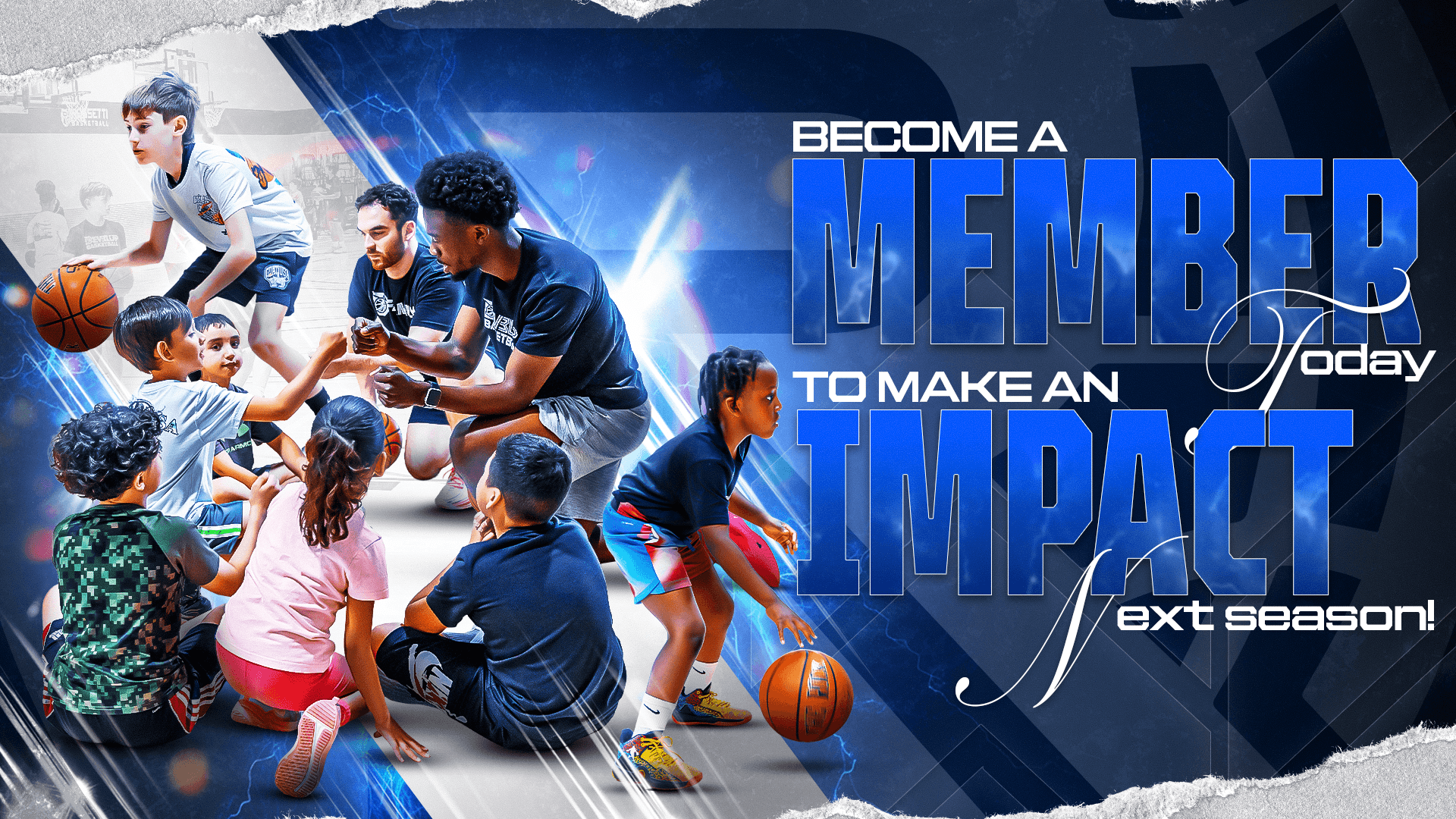
Most players improve fast in their first few weeks, then hit a plateau. We call it the boring middle. The excitement of something new has faded, but the skills aren’t automatic yet. This is where most kids drop out, not because they lack ability but because progress feels invisible.
A good trainer sees the plateau coming. They break skills into small, winnable steps so a player can feel improvement even when the scoreboard doesn’t show it. Beginners don’t need more drills. They need more successful reps, and a coach who knows the difference.
What Youth Basketball Trainers Long Island Programs Should Teach at Every Stage
Strong training follows a progression instead of throwing everything at a child at once. Here is what that often looks like:
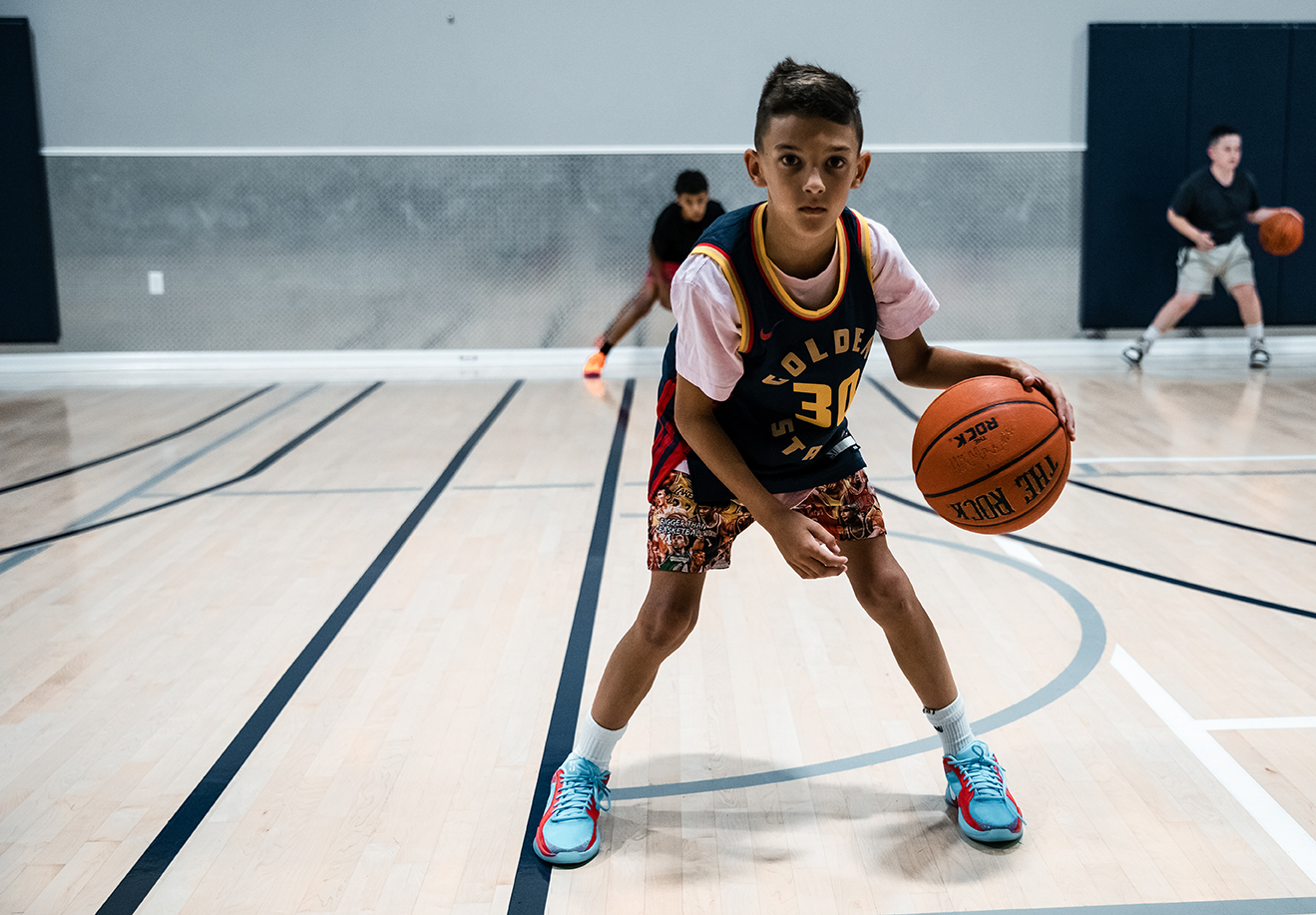
- Stage one, ball comfort: Stationary ball handling, hand strength, and finishing with both hands. The goal is to stop thinking about the ball.
- Stage two, footwork and balance: Jump stops, pivots, and shooting form. Most shooting problems start in the feet, not the arms.
- Stage three, decision-making: Reading defenders, passing under pressure, and using a dribble with a purpose.
- Stage four, game application: Small-sided play where players use their new skills against real opponents.
Skipping stages creates holes that show up later. A player who jumps straight to flashy moves without footwork often struggles in a real game.
Group Sessions or Private Training? Choosing Among Youth Basketball Trainers Long Island Offers
Both formats have a place. Group sessions teach competition, energy, and how to play beside others. They’re a great fit for beginners who learn by watching peers. Private training gives a player a coach’s full attention and a plan built around their own weak spots.
Many families start with group sessions and add private work as goals get more specific. Rossetti Basketball offers both, and you can compare options on the Membership Plans page. If you’re unsure where your child fits, the Start Here page walks you through the first steps.
Questions to Ask Before Hiring Youth Basketball Trainers Long Island Parents Recommend
Not all training is equal. Before you commit, ask these questions:
- Does the trainer adjust the session for different ages and skill levels?
- Is there a clear progression, or does every session feel random?
- How does the coach handle mistakes? Encouragement builds players, and constant criticism ends careers early.
- Can your child try a session before signing up?
- Is scheduling flexible enough for school, other sports, and family life?
Pay attention to how the kids in the gym look. Are they working hard and smiling? That tells you more than any website can.
Beyond the Gym: Events, Schedules, and Competition
Skills grow fastest when they’re used. Camps, clinics, and 3-on-3 events let players test what they’ve learned in a lower-pressure setting than a league game. You can browse upcoming opportunities on the Events Registration page and plan around the weekly Schedule.
For players ready to compete, the DEVELUP team program blends skills training with league and tournament play, so what’s learned in practice shows up on game day. Families curious about team options can also read about the Long Island basketball team pathway.
Dream Big: Long Island Has a Pro Pathway
Kids need role models close to home. The Long Island Nets are the NBA G League affiliate of the Brooklyn Nets, proof that basketball ambition on the island can lead somewhere. Most young players won’t reach that level, and that’s fine. What every player can gain is confidence, discipline, and the habit of working toward a goal.
Why Rossetti Basketball Stands Out Among Youth Basketball Trainers Long Island
Based in Holbrook, Rossetti Basketball has served Long Island families for more than 15 years. The staff includes current and former college players who remember what it feels like to be a nervous beginner. Programs cover boys and girls of different ability levels, from K-2 beginners to advanced players, and include an adaptive skills program for players with special needs. New players can start with a free evaluation, and the app makes booking and tracking attendance easy.
FAQs
Q: What do youth basketball trainers do?
They teach fundamentals like dribbling, shooting, footwork, and passing through structured drills and feedback, then help players apply those skills in game-like situations.
Q: When should my child start training with a basketball trainer?
Many players start in early elementary school, and skills training works best when the focus is on fun and fundamentals. Older beginners can still improve quickly with the right plan.
Q: Which is better for a beginner, group or private training?
Group sessions are usually the best starting point because they build confidence and teamwork. Private training makes sense once a player needs focused attention on specific skills.
Q: Where can I find youth basketball trainers Long Island families recommend?
Look for local programs with a free trial, clear skill progressions, and experienced coaches. Rossetti Basketball in Holbrook offers a free evaluation so you can see the training first-hand.
Q: How often should a young player train each week?
Consistency matters more than volume. Two to three focused sessions a week, plus short practice at home, usually produces steady progress without burnout.
Q: Why does my child’s progress sometimes stall?
Plateaus are normal as skills move from conscious effort to habit. A good trainer adjusts drills to keep the player challenged without being overwhelmed.