
Every gym has a player who stays after practice to take extra shots, and every gym has a player who is the first one out the door. Over a season, that small difference tends to matter more than raw talent. Good youth basketball coaching isn’t only about drills and plays. It’s about helping young athletes build habits that carry them from one level to the next. If you’re comparing programs in your area, our guide to the best youth basketball trainers on Long Island is a useful place to start.
Why Youth Basketball Coaching Starts With Habits, Not Highlights
Social media makes basketball look like a sport of crossovers and dunks. Real development is much quieter. It happens in footwork, balance, and the thousandth repetition of a skill nobody films.
The best youth basketball coaching teaches players to love that process. A child who learns early how to practice (with focus, with a goal, and with honest effort) has an advantage that lasts through middle school, high school, and beyond. Finding basketball trainers on Long Island who prioritize fundamentals over flash is one of the smartest moves a family can make.

The “Boring Reps” Rule in Youth Basketball Coaching
Ask any experienced coach what separates improving players from stalled ones, and you’ll hear a version of the same answer. Improving players are willing to repeat the basics until they’re automatic. Here is what that looks like in practice:
- Stationary ball handling first. Players who can control the ball without looking at it keep their eyes up and see the floor.
- Footwork before finishing. Pivots, jump stops, and balanced landings make every layup and jumper more reliable.
- Form shooting close to the rim. Short-range reps build the same mechanics as long-range shots, with far less frustration.
- Both hands, every drill. Weak-hand work feels clumsy at first, which is why it pays off so well.
- Slow to fast. Players learn the movement at half speed, then add pace once it’s clean.
Youth Basketball Coaching Should Teach Players to Train Without a Coach
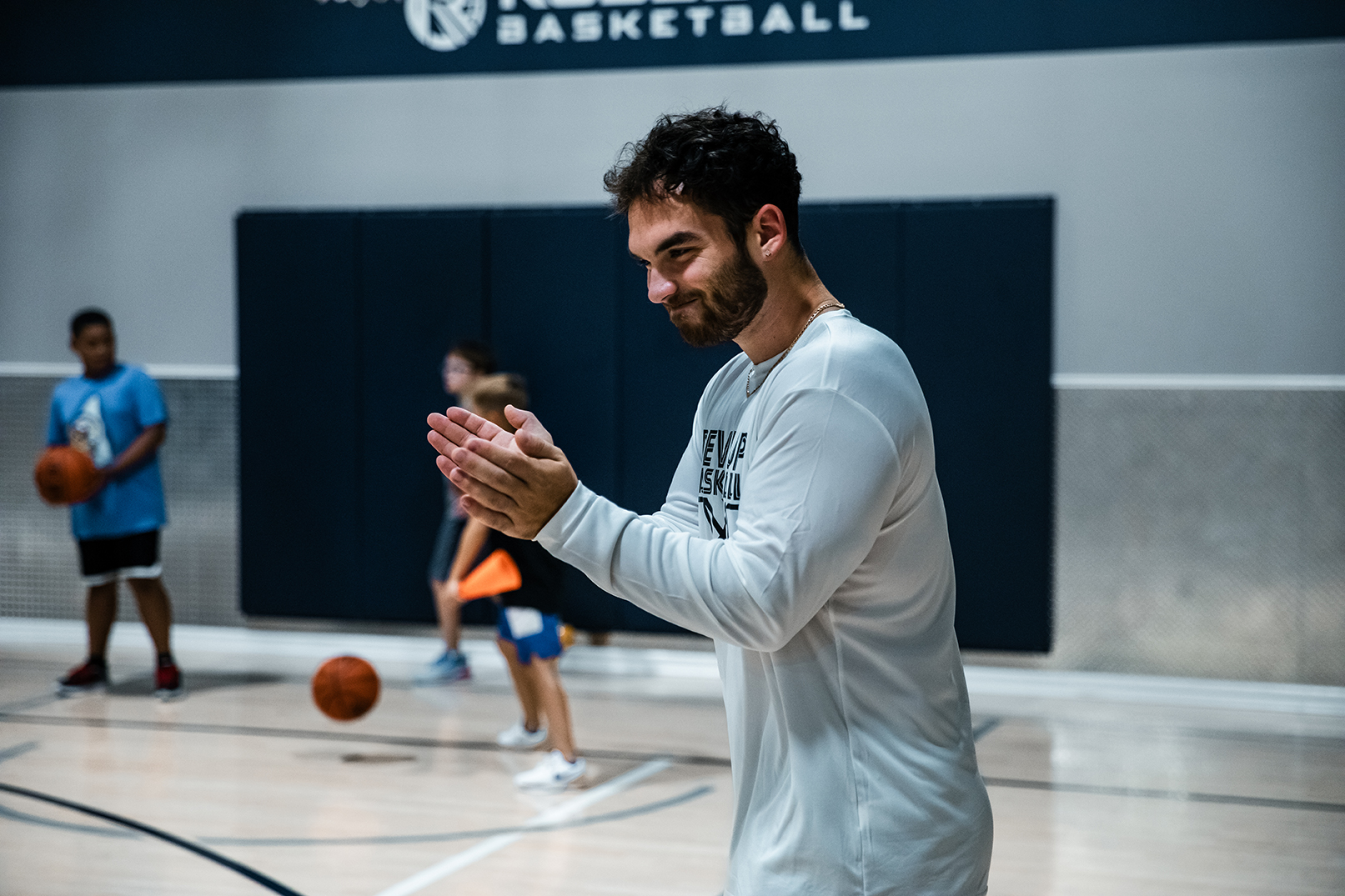
Here’s an idea most parents don’t hear often. The goal of great coaching is to make the coach less necessary over time. A young player who understands why a drill matters can take that drill home, to the driveway or a local park, and keep improving between sessions.
That means a coach should explain the purpose behind each activity. “We’re doing this footwork drill because it helps you stop under control on a fast break” sticks far better than “just do it.” Players who understand the purpose practice with intent, and intentional practice is what builds skill.
How Youth Basketball Coaching Builds Confidence Through Feedback
Confidence isn’t something a coach can hand to a player. It comes from evidence, from seeing yourself do something today that you couldn’t do last month. Strong youth basketball coaching creates that evidence on purpose, with clear and specific feedback.
“Good job” is nice but forgettable. “Your elbow stayed in on four of five shots, and that’s why they went in” gives a player something to repeat. Positive reinforcement combined with one clear correction at a time keeps young athletes motivated without overwhelming them. Families new to this approach can see how it works in practice by visiting our Start Here page, which explains how to get your player started with a free evaluation.
Youth Basketball Coaching Habits Parents Can Support at Home
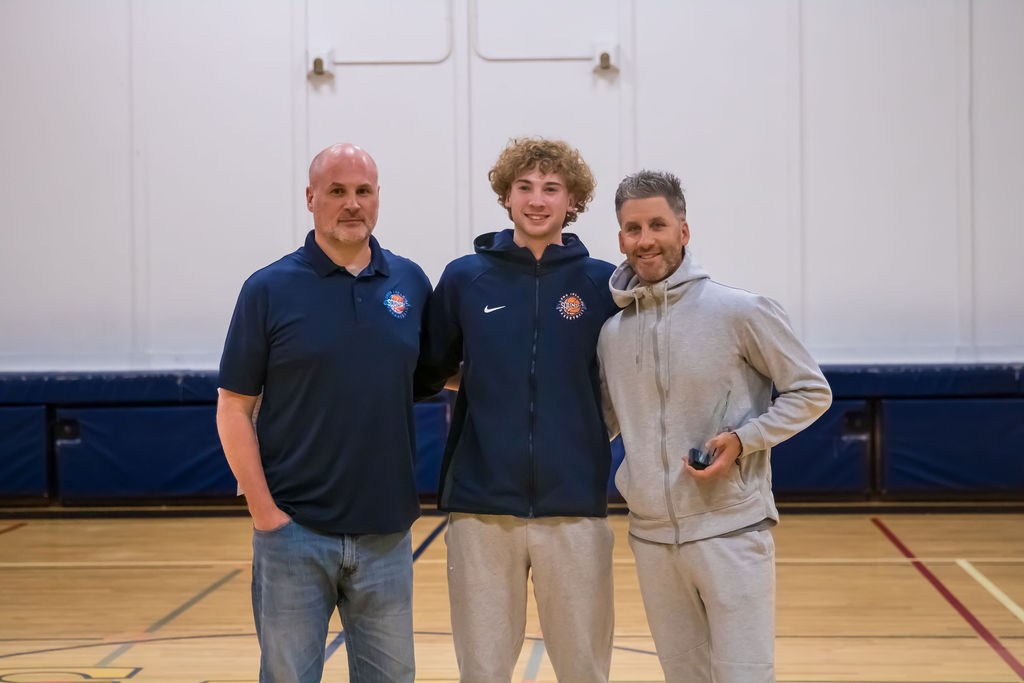
Parents don’t need a basketball background to help. Some of the most useful support has nothing to do with the court:
- Protect sleep and nutrition. Tired players learn more slowly and get hurt more easily.
- Ask about effort, not scores. “What did you work on today?” builds a growth mindset better than “Did you win?”
- Pack the bag the night before. Basketball shoes, water, and athletic clothes ready to go teach responsibility.
- Celebrate small wins. A cleaner dribble or a better closeout deserves recognition.
- Be patient with plateaus. Skills often stall before they jump forward, which is a normal part of learning.
Why Consistency Beats Intensity in Youth Basketball Coaching
A single three-hour session once a month does far less than shorter, regular sessions each week. The brain consolidates new motor skills through repetition spread over time, which is why steady training outperforms occasional cramming.
This is why scheduling matters as much as the training itself. Checking the class schedule and choosing a rhythm your family can actually sustain is better than starting ambitiously and fading out. Flexible options like the membership plans make it easier to match training frequency to your player’s goals, whether that’s a consistent four sessions a month or more frequent work for faster development.
Taking Youth Basketball Coaching From Skills to Games
Skill work only matters if it shows up in games. Once players have a foundation, they need chances to try those skills against real competition, where decisions come quickly and mistakes are part of learning.
That’s the thinking behind DEVELUP, a team program that blends skills training with league and tournament play so players can apply what they’ve practiced in a real setting. For camps, clinics, and special sessions throughout the year, families can also browse events registration to find the right next step.
Closing thought
The players who improve the most usually aren’t the most gifted. They’re the ones who show up, repeat the basics, and learn how to practice. With the right youth basketball coaching, those habits become part of who a young athlete is, on the court and off it.
FAQs
Q: What age should a child start youth basketball coaching?
Many children begin structured skills training around kindergarten through second grade, when the focus is on coordination, ball control, and having fun. Starting early is fine as long as sessions stay age-appropriate and enjoyable.
Q: Why is skills training different from regular team practice?
Team practice focuses on plays and game situations for a group. Skills training zeroes in on the individual, with more touches on the ball, more repetition, and feedback tailored to each player.
Q: How often should a young player train?
It depends on age, goals, and energy. Most families find a steady weekly routine more sustainable and more effective than occasional long sessions.
Q: Which skills should young players focus on first?
Ball handling, footwork, balance, and form shooting are the foundation. Advanced moves come easier once those basics are solid.
Q: Where can my child try a session before committing?
New players can request a free evaluation and experience a session before choosing a membership, which makes it easy to see if the coaching style is a good fit.
Q: What should my child bring to training?
Athletic clothing, basketball shoes, and a water bottle are all a player needs.